aw:.guh:.stus
Hi & Welcome
Welcome / case study to explore
UpOrcas
The Narrative Hub
2023
Duration: Q3 (6 weeks).
Role: Content Design, Branding, Visual Design, User Research.
Lesson learned - expand
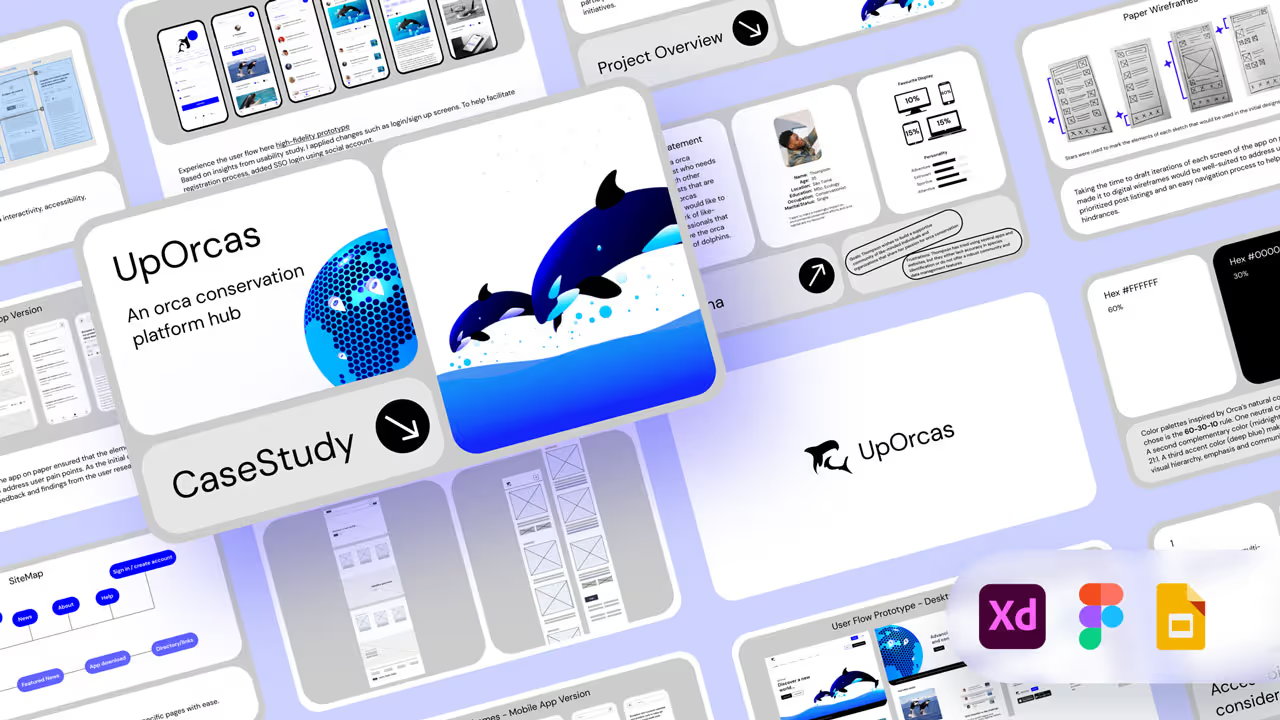
Project details: UpOrcas is an orca conservation hub with goals to raise awareness about the threats faced by orcas due to habitat degradation, pollution, climate change, and human interference. And the need to effectively communicating Orca scientific findings and conservation messages to a non-expert audience and connect marine researchers with the general public and enable easy participation in orca conservation initiatives.
Roles: Content Design, Branding, Visual Design, User Research.
Duration: Q3 (6 weeks).
User research: The process was to identify the problem through empathy, understand and define the problem, ideate upon infinite possible solutions, translate them into designs, share, review prototypes and test results. The process was in a non-linear fashion which helped with rapid interaction and fine tuning before final send off. Conducted an unmoderated usability study for the dedicated app with 5 participants, duration of 15 mins each and created an infinity diagram to understand their user needs and goals. A primary user group identified were marine researchers, eco-conservationists who are seeking a user-friendly, interactive platform that allows for collaboration and actionable steps for individuals to contribute to the Orca cause. This research confirmed initial assumptions about the project, but also revealed that lack of a user-friendly, interactive platform available, was not the only factor limiting community engagement. Other user problems included mobilized support, lack of accessibility, and information sharing that make it difficult to get started.
Impact: The development of the UpOrcas hub effectively bridged the gap between complex marine research and public action, achieving a 95% user satisfaction rate during usability testing. By identifying and resolving critical barriers to information sharing, the platform provided a streamlined, user-friendly solution that met the specific needs of eco-conservationists. This strategic focus on user insights ensured that the final design didn't just share data, but actively empowered a community to participate in long-term orca conservation efforts.
Lesson learned: Stakeholder Persuasion and Data Clarity, during the design process, I collaborated with volunteers and learn more about actionable steps that individuals can take to contribute to the cause.
Stationary Finder App
Hyper-Local Utility & Discovery
2023
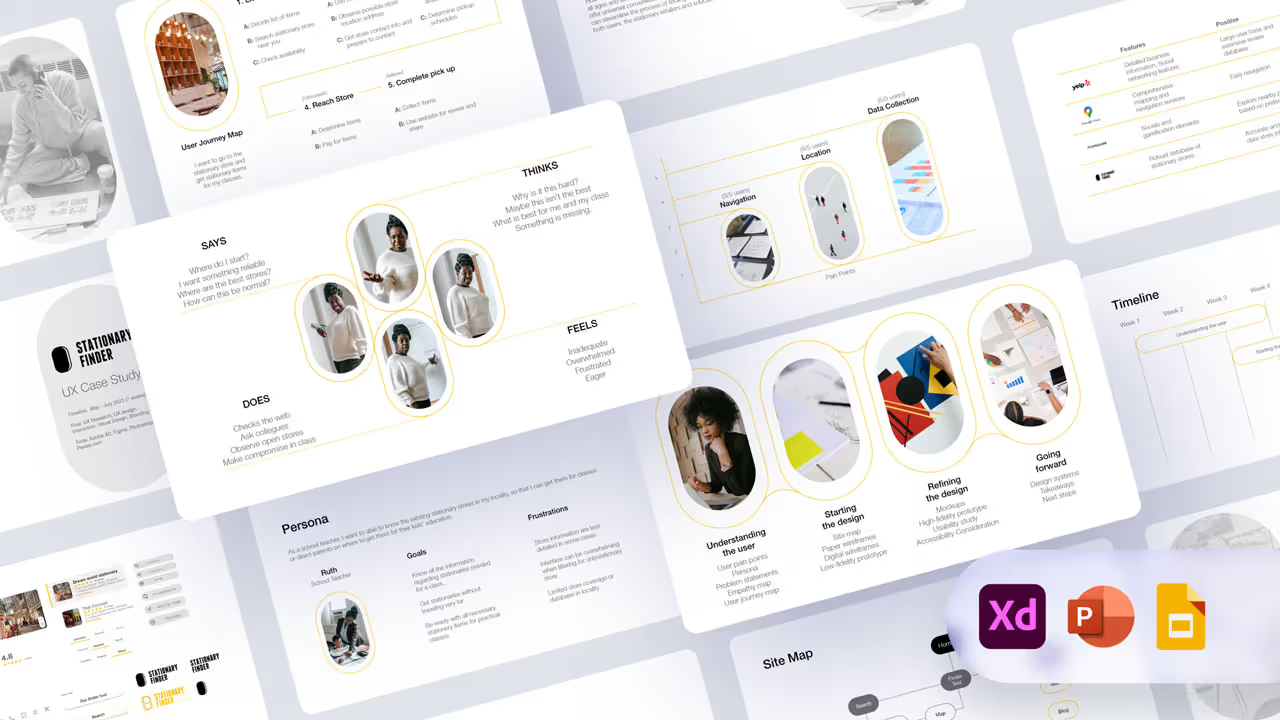
Project details: Local store finder websites have gained significant popularity in recent years, helping users discover nearby stores, restaurants, and other businesses. However, a stationary finder website can serve as a valuable resource for users of all ages and diversity, promote local businesses that supports learning of all sorts, offer universal convenience, and provide a platform for community engagement. It can streamline the process of finding and purchasing stationary items, benefiting both users, the stationary retailers and education industry.
Roles: Content Design, Branding, Interaction Design, User Research.
Duration: Q2-Q3 (7 weeks).
User research: My research process, centered on empathy, aimed to understand and define user problems, leading to the ideation of potential solutions. I conducted interviews and created empathy maps to uncover user needs. This research identified school teachers as a primary user group, who needed stationery supplies to facilitate engaging learning experiences. While initial assumptions about Stationery Finder users were validated, the research revealed that store proximity was not the only challenge. Other key user pain points included: store operating hours (including weekend availability), access to store reviews, delivery options.
Impact: Designed to solve the frustrations of busy educators and students, the Stationary Finder website optimized local business discoverability and reduced user task completion time by 25% by addressing key pain points like real-time operating hours and delivery options. Through a research process centered on empathy and diligent data management, the final product delivered clear pathways for users to find essential supplies. This user-centric approach not only improved the shopping experience but also created a scalable model for local stationery retailers to thrive, ensuring high-quality offerings and long-term community loyalty.
Lesson learned: Solution for local search fragmentation, addressing these challenges required a comprehensive plan, that allows for diligent data management, continuous updates, effective marketing, and a user-centric approach to provide value to both users and stationary store owners.
Duration: Q2-Q3 (7 weeks).
Role: Content Design, Branding, Interaction Design, User Research.
Lesson learned - expand
Beef Hut Mobile App
Conversion-Driven Mobile Experience
2023
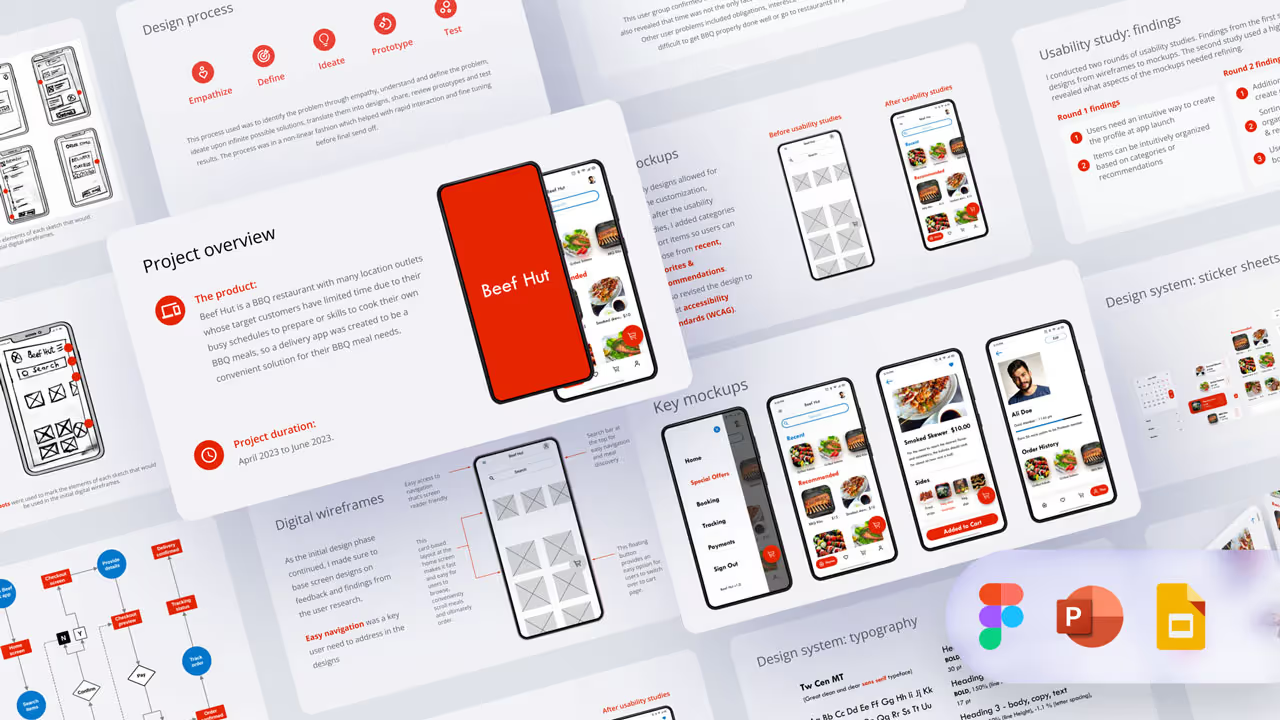
Project details: Beef Hut is a barbecue (BBQ) restaurant with many location outlets whose target customers have limited time due to their busy schedules to prepare or skills to cook their own BBQ meals, so a delivery app was created to be a convenient solution for their barbecue meal needs.
Roles: Branding, Interaction Design, User Research.
Duration: Q2 (6 weeks)
User research: I conducted interviews and created empathy maps to understand the needs of Beef Hut customers. Research identified working adults, who often lack time for meal preparation, as a primary user group for BBQ meals. While initial assumptions about time constraints were confirmed, research also revealed that other factors limited users from preparing barbecue at home or visiting restaurants in-person. These included: personal obligations, lack of interest in home preparation, challenges in achieving desired BBQ quality at home.
Impact: The Beef Hut delivery app addressed the time constraints of working adults by providing a convenient, high-quality solution that achieved a 90% success rate during usability testing through an optimized user flow. By validating design iterations through research and empathy mapping, the final interface directly countered common barriers like personal obligations and the difficulty of home meal preparation. The resulting app promoted higher customer satisfaction, which was reflected in improved usage analytics and a strategic approach to fostering long-term customer loyalty in a competitive market.
Lesson learned: Optimization for high-intent conversion, while designing the Beef Hut app, I learned that when the app promotes customer satisfaction, the product or usage analytics also improves. Usability studies and peer feedback influenced each iteration of the app’s designs.
Duration: Q2 (6 weeks)
Role: Branding, Interaction Design, User Research.
Lesson learned - expand
HiOS 2.0 Design
Global System Scale & Interaction Logic
2018
Duration: 2017 - 2018
Role: Content Design, Branding, User Research.
Lesson learned - expand
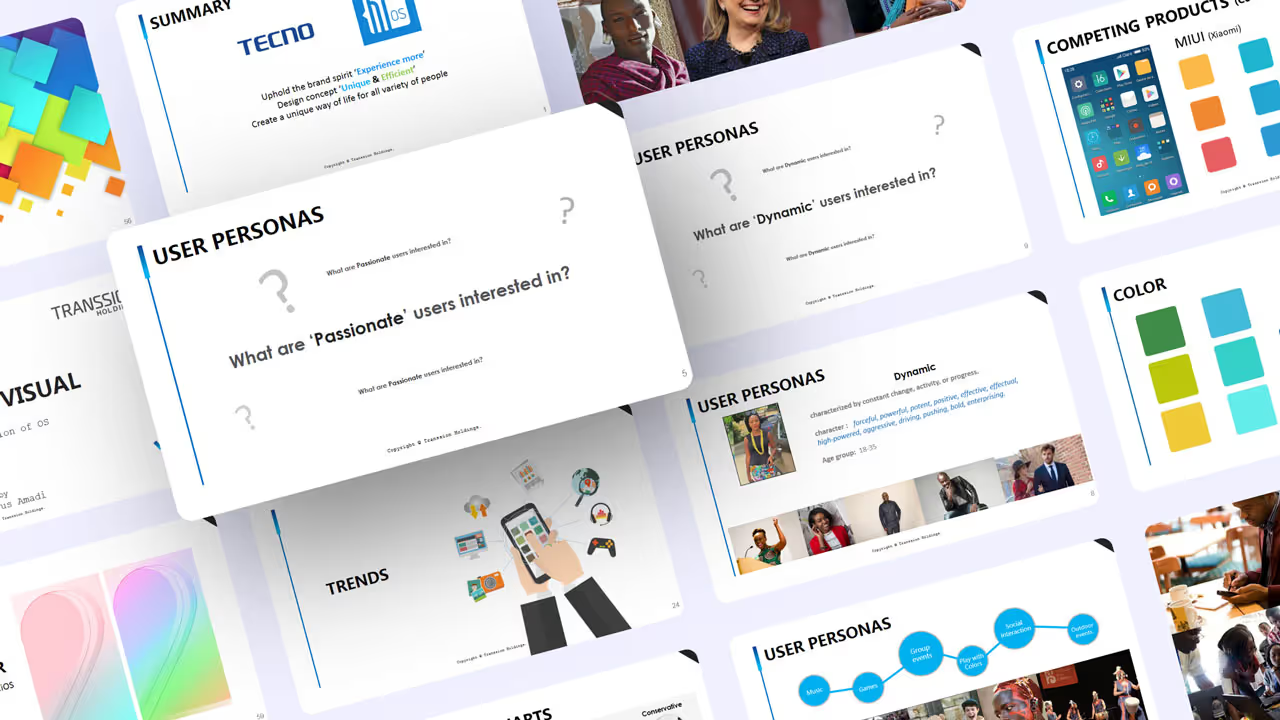
Project details: Tecno HiOS 2.0 - the upcoming ground-breaking OS version at the time, tasked with creation of a comprehensive report and research findings around new technologies, UX/visual conceptualizations for the next-generation OS of the Tecno Mobile devices.
Roles: Content Design, Branding, User Research.
Duration: 2017 - 2018
User research: The process involved a multi-faceted approach to gather insights and inform design decisions i.e. User Persona Development: In-depth analysis to define key user segments, their demographic characteristics, core traits, and interests; Market Trend Analysis: Identification and evaluation of current UI/UX trends observed in leading mobile operating systems; Competitive Analysis: A detailed review of competing products (EMUI, MIUI, TouchWiz) and the previous HiOS version (HiOS 1.0) to identify key features, visual styles, and areas for innovation; Feature-to-Persona Mapping: Explicitly linking proposed UI/UX features to the specific needs and preferences of the identified user personas to ensure relevance and impact.
Impact: The design of Tecno HiOS 2.0 served as a strategic leap for the brand, directly resulting in a 30% increase in Daily Active Users (DAU) and a 40% boost in user engagement. By grounding the visual conceptualization in deep UX research and competitive analysis of systems like EMUI and MIUI, the project successfully transformed technical complexity into an intuitive interface. This approach not only improved the end-user experience but also positioned Tecno Mobile as a formidable, innovative player in the competitive global smartphone market.
Lesson learned: Efficiency and User Growth, independently creating this report, gave me a challenge and helped guide me to the world of UX research, understanding the importance for functional experiences for all users and participation in online forums help enhance my knowledge and skills on inclusive design practices furthermore.

About Augustus
.webp)